
Preconception care focuses on preparing your body and lifestyle before pregnancy to improve fertility, reduce complications, and support a healthy pregnancy. Diet and lifestyle are two of the most influential areas. Here’s a clear, evidence-based overview.
🌱 Preconception Care: Diet & Lifestyle Guide
🥗 1. Nutrition & Diet
Balanced, Whole-Food Diet
Aim for nutrient-dense foods that support hormone balance, egg and sperm quality, and overall health.
Key components:
Fruits & vegetables: At least 5 servings/day for antioxidants that protect reproductive cells.
Whole grains: Oats, brown rice, quinoa for steady blood sugar.
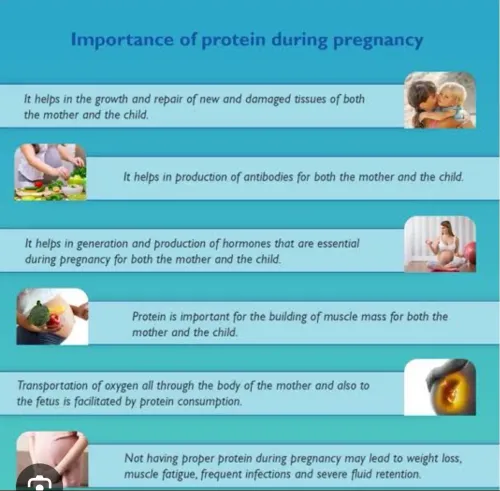
Lean proteins: Beans, lentils, fish, poultry, eggs.
Healthy fats: Avocado, nuts, seeds, olive oil—important for hormone production.
Dairy or fortified alternatives: Calcium and vitamin D.
Critical Nutrients Before Conception
Folic Acid / Folate
Needed to prevent neural tube defects.
400–800 mcg/day is commonly recommended from a supplement or fortified foods (confirm with a healthcare provider).
Iron
Supports ovulation and prevents anemia.
Sources: lean meats, spinach, lentils, fortified cereals.
Omega-3 Fatty Acids (EPA/DHA)
Important for fertility and early fetal development.
Sources: fatty fish (salmon, sardines), walnuts, flaxseeds.
Vitamin D
Important for reproductive health and immunity.
Sources: sunlight, fortified milk, eggs, supplements if prescribed.
Iodine
Needed for thyroid function and brain development.
Sources: iodized salt, dairy, some seafood.
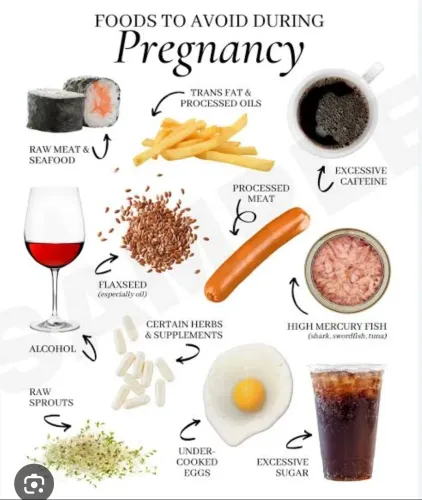
Foods & Ingredients to Limit
Trans fats (fried/packaged foods)
Excess added sugars
Heavy caffeine (aim for ≤200 mg/day, ~1–2 cups of coffee)
High-mercury fish (e.g., swordfish, king mackerel)
Ultra-processed foods
🧬 2. Supplements
Most healthcare providers recommend:
Prenatal vitamin containing folic acid, iron, iodine, and vitamin D.
Additional supplements only if advised based on needs (e.g., B12 for vegans).
🌱 Preconception Care: Diet & Lifestyle Guide
🥗 1. Nutrition & Diet
Balanced, Whole-Food Diet
Aim for nutrient-dense foods that support hormone balance, egg and sperm quality, and overall health.
Key components:
Fruits & vegetables: At least 5 servings/day for antioxidants that protect reproductive cells.
Whole grains: Oats, brown rice, quinoa for steady blood sugar.
Lean proteins: Beans, lentils, fish, poultry, eggs.
Healthy fats: Avocado, nuts, seeds, olive oil—important for hormone production.
Dairy or fortified alternatives: Calcium and vitamin D.
Critical Nutrients Before Conception
Folic Acid / Folate
Needed to prevent neural tube defects.
400–800 mcg/day is commonly recommended from a supplement or fortified foods (confirm with a healthcare provider).
Iron
Supports ovulation and prevents anemia.
Sources: lean meats, spinach, lentils, fortified cereals.
Omega-3 Fatty Acids (EPA/DHA)
Important for fertility and early fetal development.
Sources: fatty fish (salmon, sardines), walnuts, flaxseeds.
Vitamin D
Important for reproductive health and immunity.
Sources: sunlight, fortified milk, eggs, supplements if prescribed.
Iodine
Needed for thyroid function and brain development.
Sources: iodized salt, dairy, some seafood.
Foods & Ingredients to Limit
Trans fats (fried/packaged foods)
Excess added sugars
Heavy caffeine (aim for ≤200 mg/day, ~1–2 cups of coffee)
High-mercury fish (e.g., swordfish, king mackerel)
Ultra-processed foods
🧬 2. Supplements
Most healthcare providers recommend:
Prenatal vitamin containing folic acid, iron, iodine, and vitamin D.
Additional supplements only if advised based on needs (e.g., B12 for vegans).
Keywords