
NST (Non-Stress Test)
Purpose:
To assess fetal heart rate (FHR) in response to fetal movements.
What it measures:
Baseline fetal heart rate
Accelerations of fetal heart rate when the baby moves
Variability (short-term beat-to-beat changes)
Key idea:
If the baby’s heart rate increases appropriately when it moves, this suggests good oxygenation.
What is NOT measured:
NST does not record uterine contractions.
When used:
Antepartum (before labor)
For routine third-trimester surveillance in high-risk pregnancies
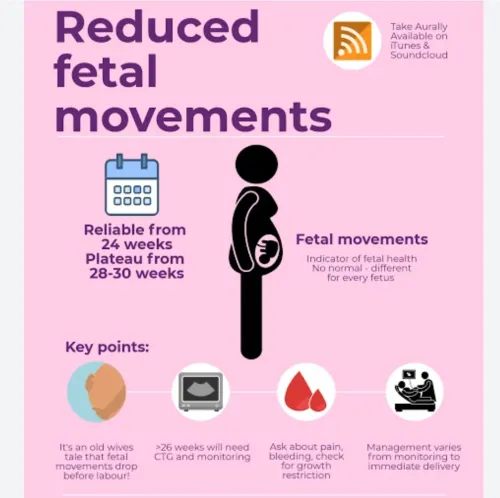
(e.g., diabetes, hypertension, decreased fetal movements)
✅ CTG (Cardiotocography)
Also called EFM (Electronic Fetal Monitoring) or 'contraction test graph.'
Purpose:
To monitor both fetal heart rate AND uterine contractions.
What it measures:
Fetal heart rate (same information as NST)
Uterine activity
Frequency of contractions
Duration
Intensity (external monitor estimates only)
Used in:
Labor (intrapartum monitoring)
Antepartum testing to evaluate contractions and FHR together
⭐ Key Differences at a Glance
Feature NST CTG
Measures fetal heart rate ✔️ Yes ✔️ Yes
Measures uterine contractions ❌ No ✔️ Yes
Used before labor ✔️ Common ✔️ Sometimes
Used during labor ❌ Rare ✔️ Standard
Complexity Simpler More comprehensive
Output graph FHR only FHR + contraction graph
📌 Additional Note
Sometimes people refer to NST as a “type of CTG, ” because technically both use cardiotocography equipment.
Purpose:
To assess fetal heart rate (FHR) in response to fetal movements.
What it measures:
Baseline fetal heart rate
Accelerations of fetal heart rate when the baby moves
Variability (short-term beat-to-beat changes)
Key idea:
If the baby’s heart rate increases appropriately when it moves, this suggests good oxygenation.
What is NOT measured:
NST does not record uterine contractions.
When used:
Antepartum (before labor)
For routine third-trimester surveillance in high-risk pregnancies
(e.g., diabetes, hypertension, decreased fetal movements)
✅ CTG (Cardiotocography)
Also called EFM (Electronic Fetal Monitoring) or 'contraction test graph.'
Purpose:
To monitor both fetal heart rate AND uterine contractions.
What it measures:
Fetal heart rate (same information as NST)
Uterine activity
Frequency of contractions
Duration
Intensity (external monitor estimates only)
Used in:
Labor (intrapartum monitoring)
Antepartum testing to evaluate contractions and FHR together
⭐ Key Differences at a Glance
Feature NST CTG
Measures fetal heart rate ✔️ Yes ✔️ Yes
Measures uterine contractions ❌ No ✔️ Yes
Used before labor ✔️ Common ✔️ Sometimes
Used during labor ❌ Rare ✔️ Standard
Complexity Simpler More comprehensive
Output graph FHR only FHR + contraction graph
📌 Additional Note
Sometimes people refer to NST as a “type of CTG, ” because technically both use cardiotocography equipment.
Keywords