
Early pregnancy bleeding in the first trimester (the first 12 weeks) is relatively common, but its importance lies in what it may indicate—ranging from harmless causes to serious conditions that need urgent care.
How common is it?
About 20–30% of pregnant women experience some bleeding in the first trimester.
Many go on to have a normal, healthy pregnancy.
Common causes (from less serious to more serious)
1. Implantation bleeding
Occurs when the embryo attaches to the uterus (around 4–6 weeks)
Light spotting, pink or brown
Short-lasting and painless
2. Hormonal changes
Mild spotting, especially around the time a period would have occurred
3. Cervical causes
Cervix becomes more sensitive in pregnancy
Bleeding after intercourse or pelvic examination
Usually light and painless
4. Subchorionic hematoma
A small collection of blood between the placenta and uterine wall
Can cause spotting or heavier bleeding
Often resolves on its own but needs monitoring
5. Threatened miscarriage
Vaginal bleeding with a closed cervix
Pregnancy may still continue normally
6. Miscarriage
Heavier bleeding, clots, and cramping
Often accompanied by lower abdominal or back pain
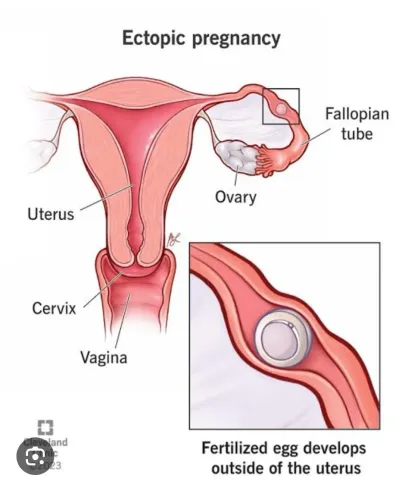
7. Ectopic pregnancy (medical emergency)
Pregnancy develops outside the uterus (usually in the fallopian tube)
Bleeding with severe abdominal pain, shoulder pain, dizziness, or fainting
Can be life-threatening if untreated
8. Molar pregnancy (rare)
Abnormal placental tissue growth
Bleeding with excessive nausea/vomiting and rapid uterine enlargement
How common is it?
About 20–30% of pregnant women experience some bleeding in the first trimester.
Many go on to have a normal, healthy pregnancy.
Common causes (from less serious to more serious)
1. Implantation bleeding
Occurs when the embryo attaches to the uterus (around 4–6 weeks)
Light spotting, pink or brown
Short-lasting and painless
2. Hormonal changes
Mild spotting, especially around the time a period would have occurred
3. Cervical causes
Cervix becomes more sensitive in pregnancy
Bleeding after intercourse or pelvic examination
Usually light and painless
4. Subchorionic hematoma
A small collection of blood between the placenta and uterine wall
Can cause spotting or heavier bleeding
Often resolves on its own but needs monitoring
5. Threatened miscarriage
Vaginal bleeding with a closed cervix
Pregnancy may still continue normally
6. Miscarriage
Heavier bleeding, clots, and cramping
Often accompanied by lower abdominal or back pain
7. Ectopic pregnancy (medical emergency)
Pregnancy develops outside the uterus (usually in the fallopian tube)
Bleeding with severe abdominal pain, shoulder pain, dizziness, or fainting
Can be life-threatening if untreated
8. Molar pregnancy (rare)
Abnormal placental tissue growth
Bleeding with excessive nausea/vomiting and rapid uterine enlargement
Keywords