

Acidity, or acid reflux, is a common issue during pregnancy, especially in the second and third trimesters. The growing uterus puts pressure on the stomach, leading to the backflow of stomach acid into the esophagus. Hormonal changes, particularly the increase in progesterone, can also relax the valve between the stomach and the esophagus, allowing acid to escape.
Common Symptoms:
Heartburn or a burning sensation in the chest.
Regurgitation of acid into the throat or mouth.
Sour taste in the mouth.
Difficulty swallowing.
Ways to Tackle Acidity During Pregnancy:
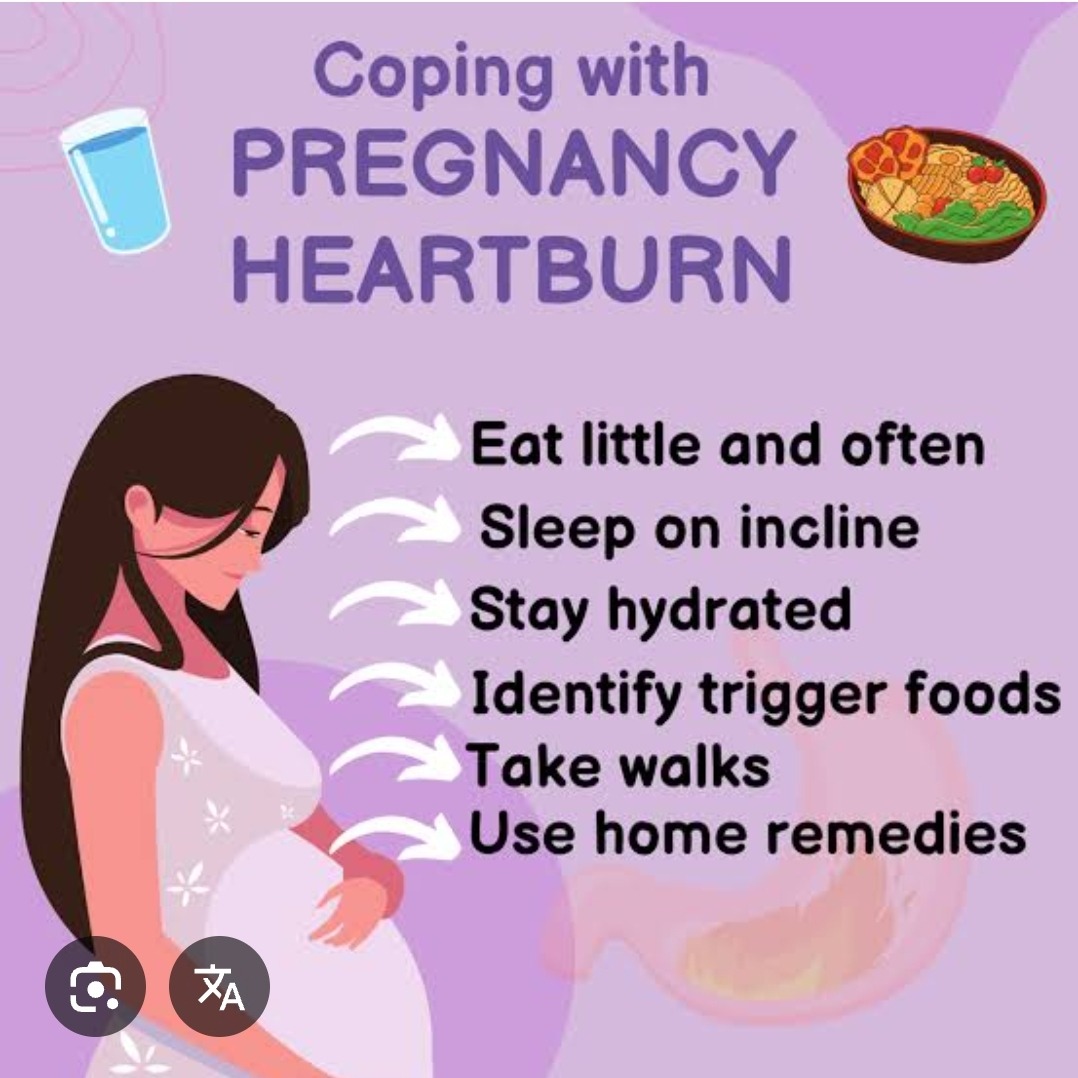
Eat Smaller, More Frequent Meals: Instead of three large meals, opt for smaller meals throughout the day to avoid overloading the stomach.
Avoid Trigger Foods: Spicy, fatty, and acidic foods (like citrus, tomatoes, chocolate, and caffeine) can exacerbate acidity. It's helpful to identify and avoid personal triggers.
Stay Upright After Eating: Avoid lying down immediately after eating. Wait at least 30 minutes before reclining to help prevent acid reflux.
Elevate the Head of Your Bed: If you experience acidity at night, raising the head of your bed can help prevent acid from flowing into your esophagus while you sleep.