
Why Kidney Stones Can Happen During Pregnancy
Pregnancy increases the risk because:
Hormonal changes (especially progesterone) relax the urinary tract → urine flows more slowly.
The growing uterus presses on the ureters.
Increased calcium excretion in urine.
Dehydration (common with nausea/vomiting).
Symptoms
Symptoms are similar to non-pregnant cases:
Severe pain in the side or lower back (often one-sided)
Pain that radiates to the lower abdomen or groin
Nausea and vomiting
Blood in urine
Painful urination
Urinary urgency
Fever (this is urgent and requires immediate care)
⚠️ If there is fever, chills, or decreased baby movement, seek emergency care immediately.
How It’s Diagnosed
Because radiation should be avoided during pregnancy:
Ultrasound is the first-line imaging test.
MRI may be used if needed.
CT scans are usually avoided unless absolutely necessary.
Treatment During Pregnancy
Most stones pass on their own.
Conservative (most common approach)
Hydration (IV fluids if needed)
Pain control (pregnancy-safe medications)
Monitoring baby and mother
If the stone does not pass or infection develops
Procedures that may be considered:
Ureteral stent placement
Nephrostomy tube
Ureteroscopy (can be done safely in pregnancy in many cases)
Shock wave lithotripsy is not used during pregnancy.
Risks
If untreated, kidney stones can increase the risk of:
Urinary tract infection
Kidney infection
Preterm labor
Rarely, kidney damage
Prompt treatment significantly reduces these risks.
When to Go to the ER Immediately
Fever over 100.4°F (38°C)
Uncontrolled pain
Persistent vomiting
Signs of preterm labor (contractions, fluid leakage)
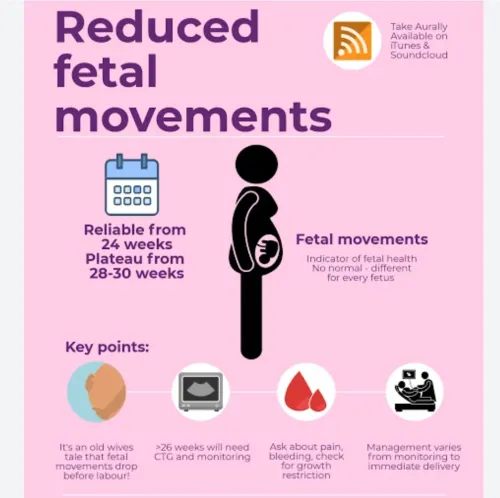
Decreased fetal movement (later pregnancy)
Pregnancy increases the risk because:
Hormonal changes (especially progesterone) relax the urinary tract → urine flows more slowly.
The growing uterus presses on the ureters.
Increased calcium excretion in urine.
Dehydration (common with nausea/vomiting).
Symptoms
Symptoms are similar to non-pregnant cases:
Severe pain in the side or lower back (often one-sided)
Pain that radiates to the lower abdomen or groin
Nausea and vomiting
Blood in urine
Painful urination
Urinary urgency
Fever (this is urgent and requires immediate care)
⚠️ If there is fever, chills, or decreased baby movement, seek emergency care immediately.
How It’s Diagnosed
Because radiation should be avoided during pregnancy:
Ultrasound is the first-line imaging test.
MRI may be used if needed.
CT scans are usually avoided unless absolutely necessary.
Treatment During Pregnancy
Most stones pass on their own.
Conservative (most common approach)
Hydration (IV fluids if needed)
Pain control (pregnancy-safe medications)
Monitoring baby and mother
If the stone does not pass or infection develops
Procedures that may be considered:
Ureteral stent placement
Nephrostomy tube
Ureteroscopy (can be done safely in pregnancy in many cases)
Shock wave lithotripsy is not used during pregnancy.
Risks
If untreated, kidney stones can increase the risk of:
Urinary tract infection
Kidney infection
Preterm labor
Rarely, kidney damage
Prompt treatment significantly reduces these risks.
When to Go to the ER Immediately
Fever over 100.4°F (38°C)
Uncontrolled pain
Persistent vomiting
Signs of preterm labor (contractions, fluid leakage)
Decreased fetal movement (later pregnancy)
Keywords